Why Cards And Comics Are Becoming Serious Collectible Assets
20/05/2026
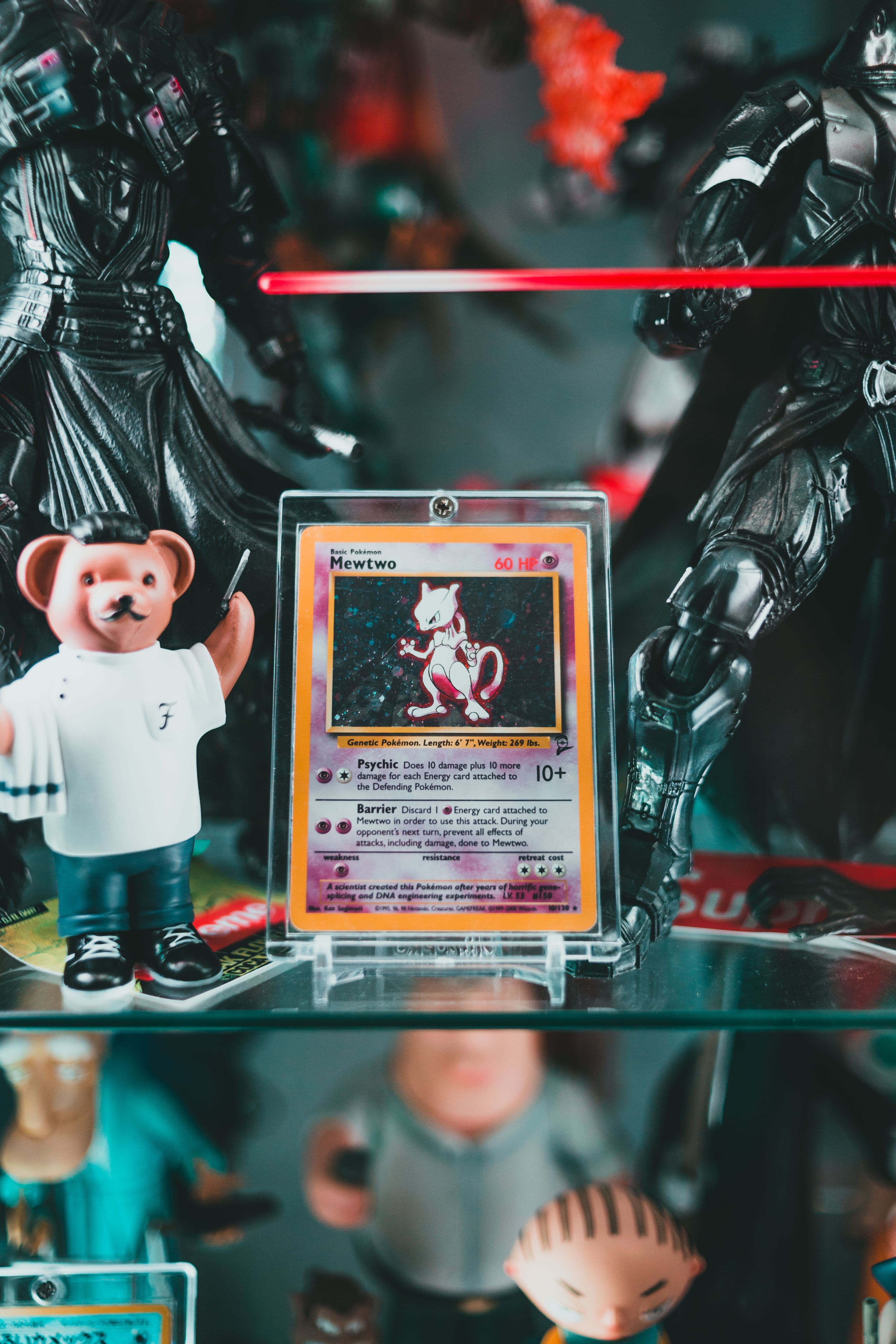
Cards, comics and modern collectibles are often associated with hobbyists and casual collectors. Increasingly, however, they are being treated as serious financial assets. As values rise, owners may need to take a more professional approach to valuation, storage, documentation and insurance.
This shift is happening as economic uncertainty is making buyers more cautious about committing large sums to a single major work or item. Multiple low-value purchases and the creation of a collection make more sense if you're feeling risk-averse.
Cards, comics, sports memorabilia, watches, handbags, sneakers and other collectible assets fit naturally into this change. They are personal, culturally relevant and often easier to enter than the traditional high-end art market.
The insurance question appears later, but it is important. As collections grow, owners may need to think more carefully about valuation, grading, authentication, storage, transit, documentation and whether existing insurance arrangements still reflect the collection's real value.
Collecting Is Moving Beyond The Traditional Art Market
Collecting has always been shaped by taste, culture, access and confidence. For a long time, the most visible part of the market was the high-end art world, where major works attracted the greatest attention. That part of the market still matters, but it is no longer the only way people invest.
Rather than investing a large amount of capital in a single major purchase, some collectors are spreading their interest across several more accessible items. Their interests include a range of memorabilia, including cards and comics. These popular culture items have become more visible in major sales environments and auction houses, not replacing fine art but widening its landscape.
Why Cards, Comics, and Modern Collectibles Are Being Taken More Seriously
Cards and comics have always had serious collectors, but the way they are viewed more broadly has changed in recent years. Cards and comics are now firmly linked to sport, film, gaming, entertainment, music, fashion and popular culture. They often hold personal meaning for collectors, but they can also develop wider market interest when rarity, condition and demand align.
Cultural Relevance
Many cards and comics are tied to cultural moments. A trading card may connect to a defining sporting career. A comic may mark the first appearance of a character. A piece of memorabilia may represent a film, musician, team, athlete or event that has wider significance. A strong cultural link can help explain why certain items attract collectors' attention far beyond their original purpose. They are not only physical objects. They can carry memory, identity and cultural weight.
Scarcity And Condition
Scarcity matters in collecting, but the condition can be just as important.
For cards and comics, small differences in condition can have a significant impact on value. Print quality, corners, edges, centring, colour, spine, page quality and preservation can all influence how an item is assessed. This is why graded cards and comics have become so visible. A grade gives buyers, sellers and collectors a recognised way to understand condition. The dream remains to find a mint-condition rare collectable.
Market Visibility
The growth of specialist platforms and online marketplaces has made collectible values easier to see. Card and comic collectors can track sales, compare items, and monitor demand anytime they wish. This visibility has helped bring cards, comics and modern collectibles into the limelight. A collector may still buy an item because they love it, but they are often acutely aware of its resale value.
Market Accessibility
Cards and comics are also growing in popularity as a serious investment opportunity because it's an easy market to enter. Not every collector starts with a major acquisition. Many start with items that feel personal, affordable and interesting and focus only grows over time. What begins as casual collecting can gradually become a structured investment.
From Occasional Purchases To A Meaningful Collection
A collector may begin by buying a few cards, comics or pieces of memorabilia because they enjoy them. Then the purchases become more regular. They begin to focus on certain players, characters, artists, editions, eras or cultural themes. Over time, the collection becomes more considered. Value can grow quietly in the background. A set of lower-value items can become meaningful when viewed together. A small group of graded assets can become a significant part of a wider collection.
This is one of the reasons cards, comics and collectibles have been taken more seriously in recent years. They allow collectors to build gradually. They encourage research, taste and engagement. They can also create an asset base that develops over time. That does not mean every collection will rise in value. Collectible markets can change, and values can move in both directions. The point is more practical. Once a collection has real value, the owner may need to treat it differently.
For growing collections, appropriate collectibles insurance is vital, for example. This may not be standard or off-the-shelf. It will need to be tailored by experts to reflect valuation, documentation, storage, movement and market appetite.
The Role Of Grading, Authentication and Provenance
As cards, comics and modern collectibles become more serious assets, evidence of their authenticity becomes more important. Collectors, buyers, sellers and insurers all need to understand what the item is, how its value has been established and what records support any claims made about it.
Grading
Grading is particularly important for cards and comics because condition can materially affect value. A card or comic in excellent condition may be treated very differently from another copy of the same item in poorer condition. A recognised grade can help establish a clearer view of the condition and market comparison for insurance purposes.
Authentication
Authentication of an item simply means establishing that it is what it is claimed to be. This may be especially relevant for signed items, rare editions, memorabilia, limited releases or culturally significant pieces. Without authentication, it may be harder to verify the item's value or status within the collection.
Provenance
A provenance describes the history behind an item. For most collectibles, this is likely to include purchase and previous owner records, auction histories, proof of creator association, and any event connection. Strong provenance can help provide context for the item and shape how it is understood and valued.
Inventory Records
As collections grow, inventory records become more important. A collector may know their collection well, but that knowledge is not always enough for insurance review, valuation or claims clarity. Itemised records, photographs, receipts, grading certificates and storage details can help create a clearer picture of what is owned and where it is held.
When A Collection Becomes An Insurance Consideration
Insurance may not be the first thing someone thinks about when they buy a card, comic or piece of memorabilia. That is understandable. Early purchases can feel modest, personal and manageable.
The need for review often appears later, when the collection has grown. This may happen when the total value becomes more significant, when items are graded, when assets are stored off-site, when a collection is moved, or when items are displayed, loaned, bought or sold more actively.
A standard home, contents or stock policy may not fully reflect these exposures. There may be limits on valuable items. There may be restrictions around storage, transit or temporary locations. There may be documentation requirements. There may also be uncertainty around how the value of graded or specialist collectibles would be treated. For brokers and intermediaries, this is often where more detailed questions need to be asked.
The issue is not simply whether a policy exists. It is whether the insurance arrangements reflect the value, custody, storage, movement and documentation behind the collection.
What Collectors Should Document As Their Collection Grows
Good records can make a significant difference. Not every collection will need the same level of documentation, but as values increase, stronger records can support valuation, insurance review and market presentation.
Collectors should consider keeping records of:
- Item descriptions
- Purchase dates
- Purchase prices
- Current estimated values
- Receipts or invoices
- Auction records
- Grading certificates
- Authentication documents
- Photographs
- Condition notes
- Provenance records
- Storage locations
- Security measures
- Transit history
- Exhibition or loan details
- Inventory updates
- Claims or loss history
The aim is to create a clear view of the collection. For a small number of items, this may be straightforward. For larger collections, a structured inventory can help owners, brokers and insurers understand the exposure more clearly. Records are especially useful where value is spread across many items. A collection may not have one standout piece, but the total value may still be material.
Storage, Transit And Accumulation Of Value
A collection's risk is not only about the items themselves. It is also about where they are kept, how they are protected, whether they move and how much total value is held in one place.
Storage
Cards and comics may need careful storage. Protective sleeves, cases, boxes, cabinets, safes, vaults, specialist storage and climate awareness may all be relevant, depending on the value and sensitivity of the collection. Loss and damage do not always come from theft or malicious action. Fire, water, humidity, handling and poor storage conditions can also affect collections. For higher value collections, it's likely insurers will want to understand where items are kept and what controls are in place.
Transit
Collectibles often move more often than you might realise. Items may be taken to shows, sent to grading companies, moved to auction houses, transferred to storage, loaned for display, sold to buyers or transported between locations. Transit can introduce packing, handling, carrier, route and temporary custody considerations. Again, for large value collectibles, insurers are likely to want to know more about this before arranging cover.
Accumulation
Accumulation is one of the most important factors to consider when insuring a collection. Many otherwise modest items can create a significant total value when stored together as a set, especially a complete one. This can affect how insurers view the risk, especially where items are concentrated in one location.
How Specialist Insurance Supports Growing Collections
CJ Coleman's specialty insurance work supports risks where standard insurance routes may not fully reflect the value, custody, movement or specialist nature of the exposure. This may be because of value, item type, grading, storage, transit, custody, aggregation or documentation.
For collectible assets, the broker's role is to help understand the collection and present the risk clearly. Insurers may need to see what is being insured, how values are supported, where the items are kept, whether they move and what security measures apply. For collections that overlap with art, specie or valuable physical assets, fine art and specie insurance may also be relevant.
CJ Coleman supports clients, brokers and intermediaries with specialist placement where collectible assets need careful review, clear market presentation and suitable underwriting appetite.
This does not mean every collection will need specialist insurance immediately.
It does mean that once cards, comics or other collectibles become meaningful assets, insurance should form part of the wider conversation.
Cards, Comics And Collectibles FAQs
Why Are Cards And Comics Being Taken More Seriously As Collectibles?
Cards and comics are being taken more seriously because of scarcity, cultural relevance, condition grading, authentication, auction house visibility and active collector markets.
Can Cards And Comics Become Valuable Assets?
Cards and comics can become valuable assets where rarity, condition, grading, demand and provenance support their value. Values can also change, so they should not be treated as guaranteed investments.
When Should A Collector Think About Insurance?
A collector should consider insurance review when the overall value of the collection grows, items are graded, stored off-site, moved, displayed, loaned or become difficult to replace.
Does Standard Home Insurance Cover Collectibles?
Standard home insurance may not fully reflect collectible assets. Limits, exclusions, valuation requirements, storage conditions and transit restrictions should be checked carefully.
What Records Should Collectors Keep To Support Insurance?
Collectors should keep inventories, receipts, photographs, grading certificates, authentication records, provenance documents, storage details and valuation records where available.
Why Does Grading Matter For Cards And Comics?
Grading can materially affect value because condition is often a key factor in how cards and comics are assessed by collectors, buyers and insurers.
Can Collectibles Be Insured While In Transit?
Transit cover may be available depending on policy wording, item type, value, route, carrier, packing, security and market appetite.
How Can CJ Coleman Help With Collectibles Insurance?
CJ Coleman supports clients, brokers and intermediaries where collectible assets need specialist market presentation, valuation detail, wording consideration and placement support.
Speak To A Specialist About Collectibles Insurance
If you're reviewing insurance arrangements for cards, comics, memorabilia or other growing collectible assets, speak to CJ Coleman about the most suitable route to market.