
Charities And Voluntary Organisations
Abuse insurance for organisations whose employees, trustees or volunteers work directly with children, young people or vulnerable adults.

Abuse Liability Insurance provides specialist protection for organisations exposed to claims surrounding alleged abuse or molestation. Appropriate protection matters, particularly where an organisation could face liability for the actions of employees, volunteers, contractors, or others under its supervision.
CJ Coleman helps organisations, brokers and intermediaries understand how abuse insurance is structured, what liabilities the wording addresses and where additional cover or endorsements may be required.
When
Abuse Liability Insurance can respond to claims made against an organisation in connection with alleged abuse or molestation. Depending on the wording, cover may address allegations involving insured individuals as well as the organisation's own liability arising from their actions and/or omissions.
Terminology varies between insurance markets. Sexual Abuse and Molestation (SAM) Insurance is widely used in the US and international markets, for example. You may also encounter Sexual Molestation Liability (SML) cover in some territories.
The terminology alone does not establish the scope of protection. SAM coverage and other forms of abuse insurance ought to be assessed against the individual policy wording, including who is insured, which liabilities are covered, how far protection reaches back, and the exclusions and limits that apply.


Depending on the wording, cover may respond to allegations concerning abuse or molestation committed by an insured person.
An organisation may face liability for another person's actions, and cover for the alleged act does not automatically extend to the organisation's resulting vicarious liability.
Claims may involve allegations concerning recruitment, supervision, retention, safeguarding or failure to prevent an act from occurring. The policy wording should be checked to establish how these liabilities are treated.
The cost of defending an allegation can be a major part of the insurance exposure. How defence costs are treated, whether a separate abuse sub-limit applies and whether limits operate per claim or in aggregate should all be understood.
Who
Abuse liability exposures are particularly relevant to organisations responsible for children, young people and vulnerable adults, but the nature of the exposure varies considerably between sectors. An organisation's activities, safeguarding responsibilities and relationship with the people in its care all need to be considered.
Abuse insurance for organisations whose employees, trustees or volunteers work directly with children, young people or vulnerable adults.
Specialist cover for care organisations where staff are responsible for personal care, supervision, welfare, or day-to-day support.
Cover for organisations operating in environments where safeguarding and responsibility for children are fundamental to the service provided.
Abuse Liability Insurance for schools, academies and other education providers with safeguarding responsibilities involving staff, volunteers and contractors.
Cover for organisations responsible for the care and supervision of younger children.
SAM insurance and abuse liability support for clubs, governing bodies and other organisations where coaches, staff or volunteers work with children and young people.
Cover for churches, religious organisations and faith groups whose activities include youth programmes, pastoral care or community services.
Abuse insurance for organisations providing youth work, outreach, mentoring and other community-based services.
Cover for organisations providing healthcare, support or other services to individuals who may be vulnerable or dependent upon professional care.
Specialist consideration for businesses where the nature of security, protection or custodial responsibilities creates an abuse or assault liability exposure.
Support where commissioners, landlords, funders, clients or other commercial partners specify particular liability insurance requirements.
Market access and placement support for brokers and intermediaries handling abuse liability or SAM coverage for clients with specialist exposures.
Why CJ Coleman
Abuse Liability Insurance depends heavily on its wording. A policy that refers to abuse or molestation does not necessarily address every liability an organisation could face following an accusation.
CJ Coleman looks beyond the product name to understand how the cover operates, considering how the wording, market structure and available terms respond to the organisation’s actual exposure. This includes considering direct and vicarious liability, safeguarding-related allegations, the people and activities insured, exclusions, limits, defence costs and how far the protection reaches back. For organisations with safeguarding responsibilities, contractual insurance requirements or exposures that fall outside standard insurer appetite, these distinctions can materially affect the protection provided.
Where
Abuse Liability Insurance can require more specialist consideration where the exposure, policy history, contractual requirements or wording fall outside a straightforward placement. CJ Coleman helps clients and intermediaries identify gaps and present the risk to suitable insurers.
How
CJ Coleman helps organisations, brokers and intermediaries understand abuse liability exposures before presenting them to suitable insurers and considering the available cover.
1.
We gain a clear picture of risk by carefully considering an organisation's activities and safeguarding responsibilities, including the people in its care and staff, management and volunteers.
2.
We consider where abuse cover sits, how it responds, how far it reaches back and whether the wording addresses relevant liabilities, including vicarious liability and safeguarding-related allegations.
3.
We present the relevant information to insurers with suitable appetite and help clients understand the differences between available terms, limits, exclusions, defence costs and policy structures.
View related Professional & Executive insurance services.

If you are reviewing existing abuse insurance, trying to establish how far your current cover reaches back or need specialist SAM insurance for an organisation with safeguarding exposures, speak to CJ Coleman about the available options.
FAQs
The key question is whether the policy responds only to allegations against an individual, or also to the organisation’s own liability arising from that conduct. This can include vicarious liability and allegations of failures in supervision, recruitment, safeguarding or prevention.
SAM insurance and other forms of abuse cover can differ materially in who is insured, the acts and liabilities covered, exclusions, defence costs, limits and how far protection reaches back. Comparison should therefore focus on the cover's structure and wording.
A review is particularly important when an organisation changes insurer, alters its activities, takes on new contractual requirements, has had previous allegations or claims, or relies on cover for historic exposures. Changes in policy, regulation or legislation should also prompt a review.
From 29 June 2026, the ordinary three-year limitation period no longer applies to qualifying civil personal injury claims attributable to child sexual abuse in England and Wales. This increases the importance of establishing how far an organisation's insurance reaches back and which policy would respond to an allegation concerning earlier events.
Potentially. The answer depends on how the insurance is structured, how far the relevant policy reaches back and the wording in force. Claims-made and occurrence based policies can point to different insurance periods when an allegation concerns past events.
Not usually. Sexual assault insurance is generally a naming variation rather than a distinct product, and terminology varies considerably between markets. Sexual assault insurance may be used to describe cover relating to particular assault exposures, whilst other insurers use Sexual Abuse and Molestation, Abuse & Molestation or broader abuse liability terminology.
Organisations with meaningful safeguarding exposures should understand how those liabilities are insured. This can include charities, care providers, schools, nurseries, sports organisations, faith groups, youth services and other organisations responsible for children, young people or vulnerable adults. Contractual requirements may also affect the cover required.
Yes. Commissioners, funders, landlords or commercial partners may specify abuse liability insurance or particular limits as part of their contractual requirements.
This depends on the policy structure. Where defence costs are included within the overall limit, legal expenses incurred investigating and defending an allegation can reduce the amount available for an insured settlement or award. This can be particularly relevant when assessing whether the limit is sufficient.
Underwriters will consider the organisation’s activities, the people in its care, safeguarding procedures, recruitment and vetting, staff and volunteer supervision, previous allegations or claims, insurance history, and required limits. The level of detail requested will depend on the nature, scale, and complexity of the exposure.
Contact
For support with Abuse Liability Insurance, specialist placement, broker support or complex risk requirements, speak to CJ Coleman’s team.
.png&w=3840&q=75)
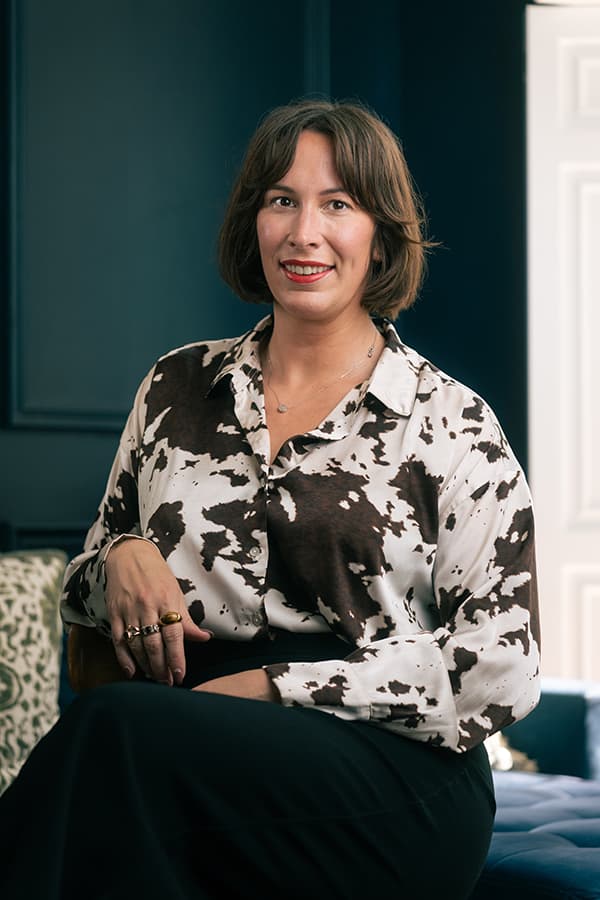
Gillian Stefaniuk
Broking Manager & Head of Professional & Executive Lines
+44 (0)20 7423 6463
gillian.stefaniuk@cjcoleman.com
LinkedIn